The Entryway Beats the Bathroom: Seven Real Homes for a Smart Display
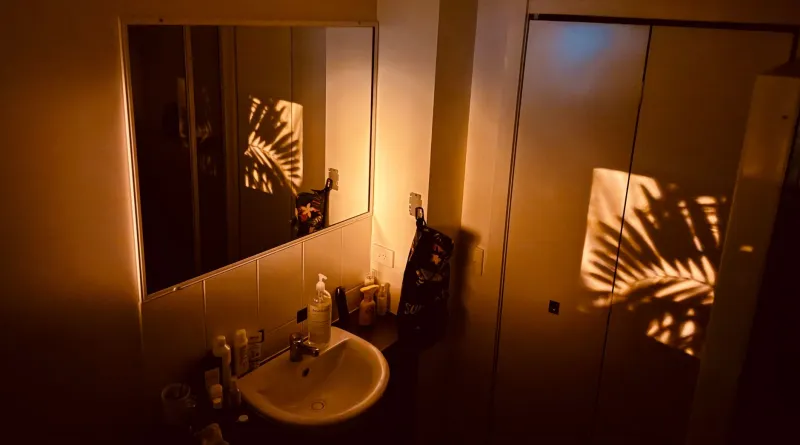
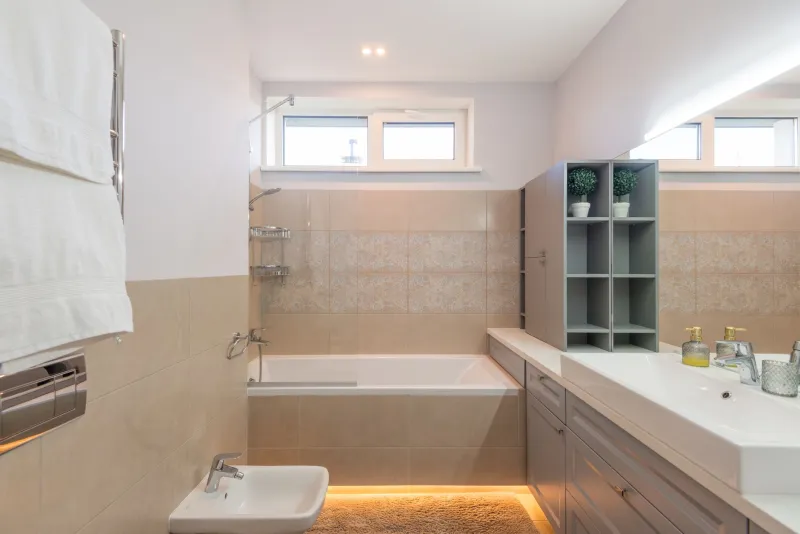
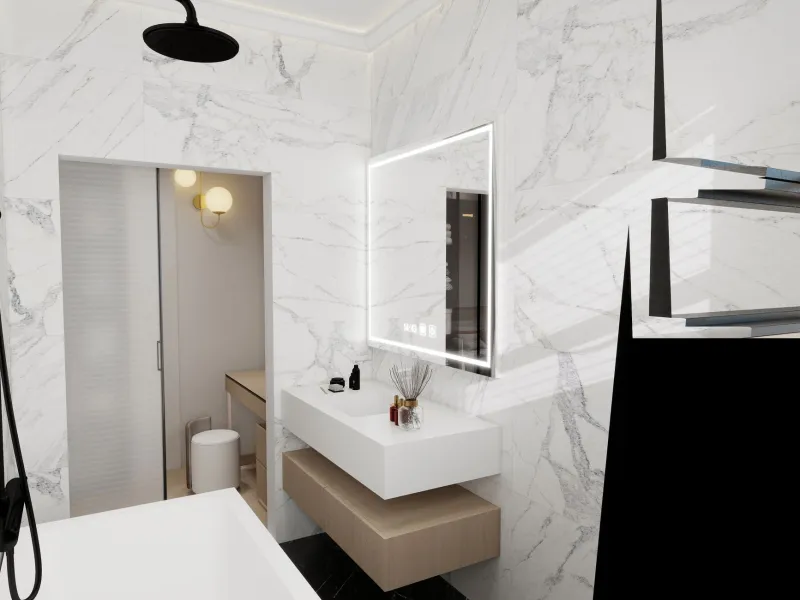
The bathroom gets all the attention. It's where the category was born, where the mirror lives, where the morning routine happens. It's also, from a pure usability standpoint, kind of the worst place in the house for a screen: humidity that fogs glass and stresses electronics, harsh overhead lighting that fights a display, wet hands, and a person standing there for four minutes max with toothpaste in their mouth.
I'm not saying don't put one there. I'm saying the bathroom is where a smart display goes to be looked at, not used. If you want the thing to actually help you, walk out of the bathroom and consider these seven spots instead. Placement, lighting, and Wi-Fi coverage decide everything — get those wrong and you've bought a reflective wall ornament with a fan in it.
1. The entryway drop zone
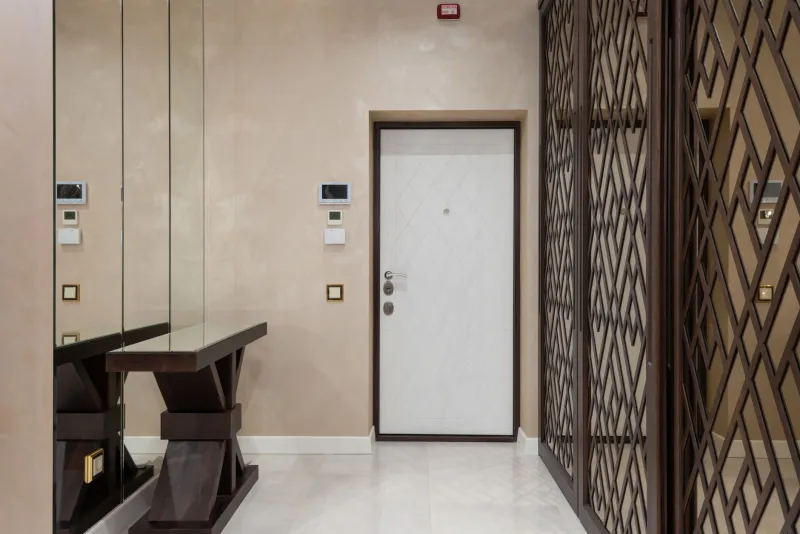
This is the best real estate in the house and almost nobody uses it. You pass through twice a day minimum, your hands are already busy with keys and mail, and the information you need most — weather, traffic, whether the dog walker came, who rang the bell — is exactly what a display does well.
Mount it at eye height on the wall opposite the door, or lean a full-length version next to the console table. One caution: entryways are often the worst-lit rooms in an American home. A west-facing front door in July means blinding glare at 6 p.m., so look for a matte-finish treatment or an auto-brightness sensor that actually responds in seconds, not minutes.
2. The kitchen counter that isn't for cooking
Not the run of counter by the range. The dead zone — the stretch near the pantry door, the coffee station, the bit of wall between the fridge and the doorway. That's where a mirror display earns out. Recipes, timers, a grocery list you can actually see mid-week, and a glanceable weather check before school drop-off.
Heat and grease are real, so keep it out of the splash zone and away from the dishwasher's steam plume. Wi-Fi matters more here than people expect; kitchens are full of metal appliances and masonry backsplashes, and the corner where the signal dies is usually the exact corner where you wanted to hang it. Test with your phone before you drill.
3. The home gym or garage
This one converted me. A mirror on the wall of a home gym is already standard equipment — form check, lifting cues, checking whether you're actually engaging your shoulders. Adding a display layer on top is nearly free in terms of habit change, because you're already looking there.
The garage version is trickier: uninsulated spaces swing from 30°F to 100°F depending on your state, and consumer electronics do not love temperature cycling. If your gym shares a wall with the house and stays conditioned, go for it. If it's a detached shop in Minnesota, pick a hardier spot.
4. The laundry room
Hear me out. You're standing there for six minutes at a time, hands full of wet clothing, with nothing to do. A smart display over the folding counter gives you timers, podcast controls, and a shopping list while you wait. It's also one of the few walls in the house where nobody cares if it looks like a gadget.
Watch the moisture, though. Dryers push out a surprising amount of humid air if the vent is imperfect, and a mirror near the machine will fog on every cycle. Vent the room properly first, then mount.
5. The stair landing or hallway command center
A narrow wall at the top or bottom of the stairs is a natural check-in point. Calendar, school schedules, the family group chat, a shared to-do list. The traffic is consistent, the viewing angle is usually decent, and you get the 'walk past it twenty times a day' effect that makes these devices sticky.
Hallways are Wi-Fi dead zones more often than kitchen corners, though. An access point or a mesh node on the same floor is the difference between a responsive display and a spinning circle you learn to ignore.
6. The homework nook or home office
If you've got a kid doing math at the dining table or a spare-room desk setup, a display mirror angled behind the monitor pulls double duty: reference surface during the day, mirror when you're checking whether your shirt is inside out before a video call.
This is also the spot where glare control matters most, since you're often working in daylight. Angle it away from the window rather than directly facing it.
7. The powder room guests actually use
The primary bath gets the fancy install and the guest half-bath gets a $19 mirror from a big-box store. Flip that. A display mirror in the powder room is a low-humidity, low-traffic spot where it stays clean, runs cool, and impresses the people who notice things. Bonus: no one's using it as a step stool for the medicine cabinet.
Where it flops, honestly
A few placements I'd skip. Above a bathtub, where steam and splash are unavoidable. Directly across from a bed, where a glowing rectangle at 2 a.m. is a sleep problem, not a feature. And the dining room, where a screen facing the table turns every meal into a notification parade.
The pre-mount checklist
Before the drill comes out, run through this: how many bars of Wi-Fi does your phone show at that exact spot; is there an outlet within reach or are you hiring an electrician; what's reflecting in the glass during the hours you'll actually use it; and can you see the screen comfortably from where you stand, or are you leaning in like you're reading a medicine bottle.
Get those four right and a smart display becomes the quiet helper it was pitched as. Get them wrong and you'll spend 2026 dusting a very expensive mirror.