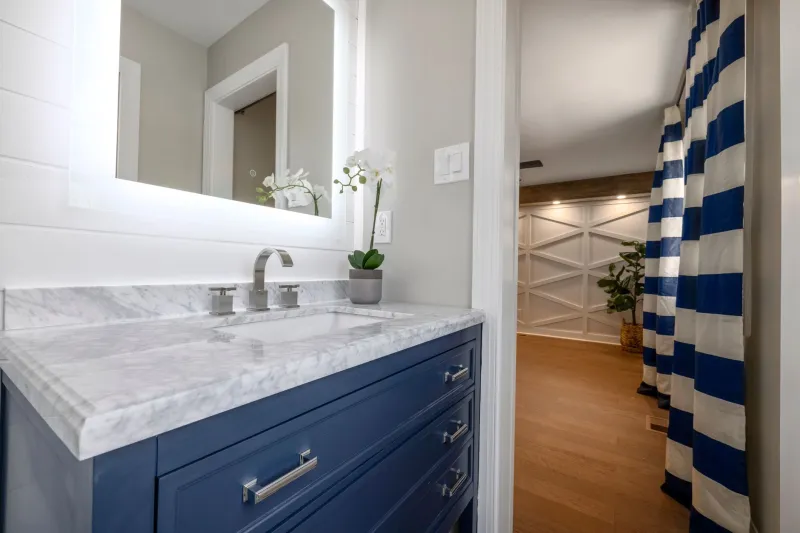
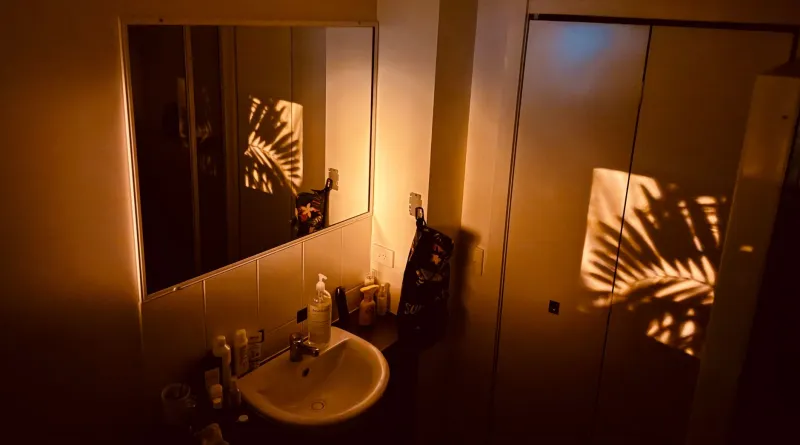
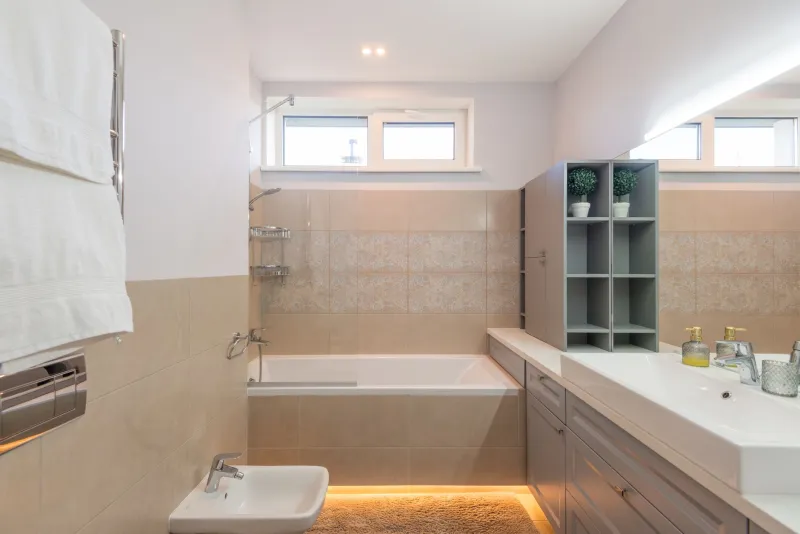
Deposit-Safe Smarts: A Renter’s Playbook for Bathroom Mirrors That Plug In and Peel Off
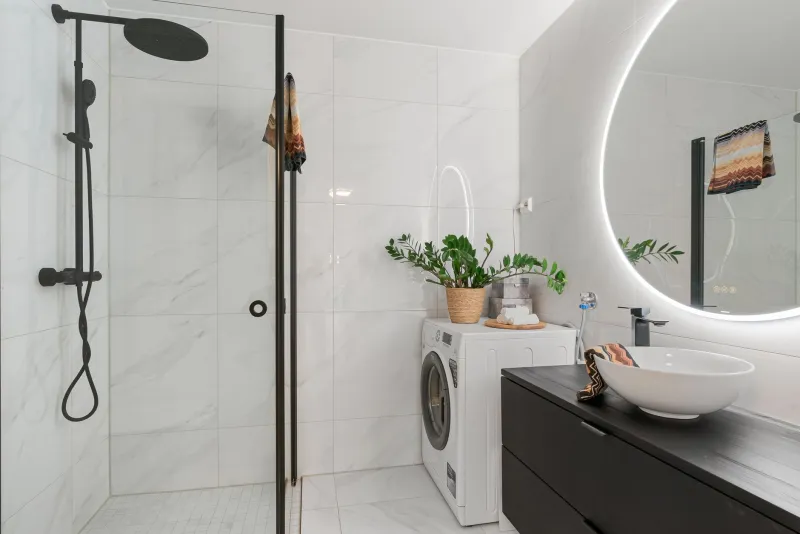
Renting a bathroom with a builder-grade mirror and one sad overhead light is a universal American apartment experience. The temptation in 2026 is to buy a full smart mirror and pretend you own the place. The smarter move is to add the useful parts—dimming, better light, maybe a small display—without drilling tile or touching the vanity wiring. Here is the renter-safe playbook I would follow, plus the upgrades most likely to turn your deposit into a fight.
Read the lease before you read the specs
Start with the boring paperwork. Most leases ban permanent alterations, and some specifically mention adhesive hooks, wall anchors, or electrical changes. A plug-in mirror is usually fine; replacing a hardwired vanity fixture is usually not. If you are unsure, ask for written approval and keep the reply. Also check whether the bathroom outlet is GFCI-protected. If it is not, do not add a plug-in mirror near the sink until the landlord fixes it. No smart feature is worth a shock risk.
1. Swap the bulbs before you swap the mirror
If your vanity fixture uses standard screw-in bulbs, smart bulbs are the lowest-risk upgrade in the rental toolbox. You get dimming, scheduling, and adjustable color temperature without a screwdriver near the wiring. Check the fixture label for bulb type and damp-location rating, and avoid smart bulbs that require a hub or a cloud account if you want simple local control. This trick does not work with integrated LED fixtures or odd candelabra bases, but when it works, it is the cheapest way to make a rental bathroom feel less like a hotel closet.
2. Add battery-powered light where the overhead light fails
A rechargeable clip-on bar or a pair of battery pucks can fill in shadows around the sink without any electrical work. Look for damp-rated units, USB-C charging, and a diffused lens rather than a row of visible LEDs. Cheap battery lights often have ugly color and weak dimming, so check the color-temperature range and whether the lowest setting is actually low. Mount them with removable adhesive tabs, not the permanent foam tape that comes in some bargain kits.
3. Choose a plug-in LED mirror, but respect the weight limit
A plug-in mirror with built-in light is the closest thing to a real smart mirror without an electrician. The catch is mounting. A lightweight acrylic or framed mirror can sometimes hang from removable adhesive hardware; a heavy glass mirror should not. If the mirror is heavy, look for a countertop stand, a leaning design, or an over-door mount that does not require drilling. Route the cord to a GFCI outlet, keep it away from the sink edge, and never use a dangling extension cord as a permanent solution.
4. Hide the cord without cutting drywall
Cable raceway is the renter’s best friend. A paintable adhesive raceway can turn a loose cord into a clean vertical line, and removable clips keep it from sagging. Run the cord down and away from the sink, create a small drip loop before the outlet, and avoid running it across a wet countertop. Do not tuck a power cord behind baseboards or through a wall cavity. That is not cable management; that is a future maintenance charge.
5. Use removable mounting hardware correctly
Command strips and similar removable adhesives work best on clean, smooth, non-porous surfaces. Tile can be fine, but grout lines and textured stone are not. Test a hidden patch first, follow the weight limit, and remove the hardware slowly with gentle heat if the adhesive fights back. Avoid mounting anything above a bathtub or shower where steam and falling objects are a real concern. If the mirror weighs more than the adhesive is rated for, stop. The deposit math gets ugly fast.
6. Add a smart plug for local automation
If your plug-in mirror or light bar has a physical switch that stays on, a smart plug can add schedules and voice control without rewiring. Choose one that works locally and does not need a cloud account for basic timers. Keep the plug away from splashes, and do not daisy-chain power strips. This is a small upgrade, but it makes a rental bathroom feel more intentional—especially if you are the kind of person who wants the vanity light to fade on before a 6 a.m. flight.
7. Treat privacy settings as part of the install
If you add anything with a camera, microphone, or display, set it up for local storage and local control before it touches your Wi-Fi. Disable cloud sync, turn off remote access, and check app permissions. Put a physical cover over any camera you do not need. In a shared bathroom, a camera-equipped mirror is a hard no. Even in a private bathroom, a mirror that uploads clips to a server is not worth the convenience.
Room-specific picks that make sense
For a tiny powder room, a smart bulb plus one rechargeable puck light is plenty. For a shared hall bath, a lightweight plug-in mirror with a removable mount and a cord raceway is the sweet spot. For a primary bath, a countertop plug-in mirror or a smart bulb swap gives you better light without committing to a full display. For a kids’ bath, skip glass-heavy designs and anything with a camera. Shatter-resistant materials and simple controls matter more than app features.
What landlords are most likely to reject
Hardwired fixture replacements, drilled tile, wall anchors, cords run through walls, and adhesive that leaves residue are the classic deposit-killers. Some landlords also object to smart devices that create a permanent network dependency or a camera in a shared space. Get approval in writing, photograph the bathroom before you install anything, and keep every removable part in a labeled bag. When you move out, remove the hardware slowly and clean the adhesive residue with a product that is safe for the surface.
The five-minute deposit check
Before you buy, confirm three things: the outlet is GFCI-protected, the mounting method matches the mirror’s weight, and the lease does not ban the upgrade. After you install, tug gently, check that the cord has slack and a drip loop, and make sure nothing blocks the door or sits in splash range. If any part of the setup feels temporary in a bad way, it probably is. The goal is a smarter rental bathroom, not a science experiment that costs you $400 at move-out.