Foundation Match, Interrupted: A 15-Minute Truth Test for Smart Mirror Lighting
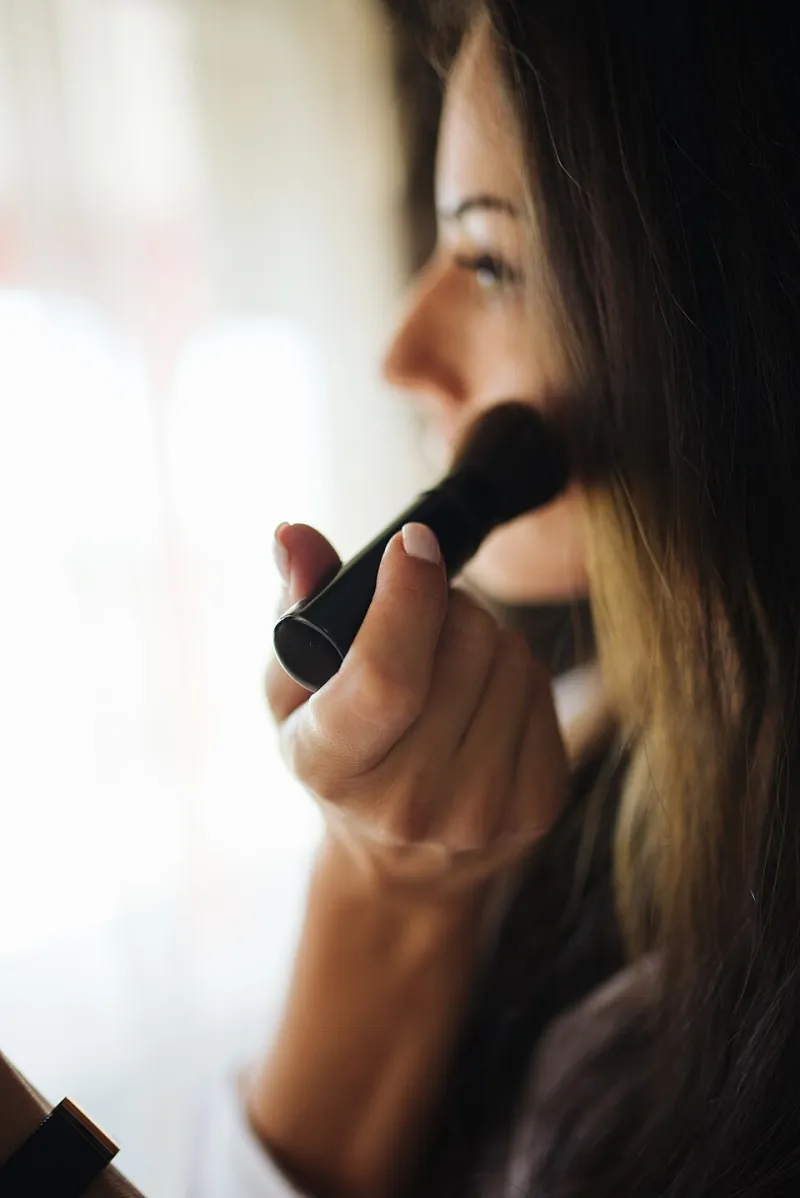
Photo: Shixart1985, CC BY 2.0, via Wikimedia Commons
Smart mirrors are sold as makeup tools, but most are really bathroom fixtures with a screen and a strip of LEDs. That distinction matters. The light that makes a mirror look high-tech is not automatically the light that tells the truth about your skin. If your foundation looks perfect at the sink and orange in the car, the mirror is part of the problem.
In 2026, the smart mirror aisle is crowded with adjustable color temperature, app presets, and vague claims about daylight simulation. Those features can help, but they do not guarantee accurate skin-tone rendering. Before you trust a mirror with your morning routine, run a short calibration test at home. It will tell you more than most spec sheets.
Why makeup light can lie
Skin tone is not one color. It is a mix of undertones, surface redness, and how light reflects off the skin. A mirror can wash out warm undertones, push neutral skin toward gray, or cast a green tint that makes every concealer look slightly off. Sometimes the culprit is a low-quality LED spectrum. Sometimes it is a diffuser that creates hotspots. Sometimes it is simply a color temperature preset that is too cool or too warm for the room.
Color rendering index, or CRI, is the usual shorthand. A high CRI means the light shows colors more like a natural reference source. But CRI is not a skin-tone guarantee. Look for Ra of 90 or higher, and if the brand publishes R9, a measure of red rendering, treat 50 or higher as a better sign for makeup and skin. A mirror can have a glossy CRI number and still look unflattering if the dimming is poor or the light angle is wrong.
Run the 15-minute truth test
You do not need lab gear. You need a mirror, a few things you already own, and a cheap color reference. A photo gray card, a paint chip strip, or an inexpensive color checker card works fine. Do the test in the bathroom where the mirror lives, with the room lights on as usual.
1. Set a daylight baseline
Take your foundation or tinted moisturizer and check the match near a window in indirect daylight. Note whether it looks too pink, too yellow, too gray, or just right. This is your reference. If you do not wear foundation, use a moisturizer or a clean swatch of blush on your jawline. The goal is to compare the mirror against a source you already trust.
2. Put the mirror in neutral mode
Set the mirror to roughly 4000K to 4500K if it has adjustable color temperature. That range is usually the most useful for makeup because it sits between warm evening light and cool office light. Turn brightness to a comfortable medium level, not maximum. Stand at your normal distance from the glass.
3. Compare the foundation swatch
Apply a small stripe of foundation along your jawline. Look at it in the mirror, then step to the window and look again. If the mirror makes the stripe look pinker, grayer, or more orange than it does in daylight, the mirror is adding a cast. If the stripe nearly disappears in both places, the lighting is doing its job.
4. Check the dimming low end
Dim the mirror to about 20 to 30 percent. This is where cheap LEDs often show their true colors. Look for a green or gray tint, visible flicker, or a sudden color shift. A good mirror should stay roughly the same hue as it dims, just darker. If the low setting turns your skin sickly, you will hate the mirror at night.
5. Use clothing as a quick undertone check
Hold a navy shirt, a cream scarf, or a pure white towel under your chin. Then try a color you know flatters you. In accurate light, the colors should look like themselves. In a mirror with a strong cast, navy may go black, cream may go yellow, and white may pick up a blue or green edge. This is not about fashion rules. It is about whether the mirror is shifting everything in the same direction.
6. Test the color card
Hold the gray card or paint strip near your face. A neutral gray should stay neutral. A true red should not look orange. A white patch should not look pink or green. If every color leans the same way, you have found the mirror's personality. That is useful information before you buy, and even more useful if you are still inside the return window.
What your results mean
A green or gray cast usually points to a poor LED spectrum, a weak diffuser, or a preset that is too cool. A pink or orange wash often comes from a warm color temperature that is too aggressive for makeup. A washed-out look can happen when the mirror is simply too bright at close range, even if the CRI is decent. Flicker at low dimming is a separate warning sign. It may not show up in a photo, but it can make the mirror uncomfortable for daily use.
Do not assume the makeup preset is accurate just because it has a label. Presets are marketing names, not standards. The same goes for daylight mode. A mirror can call 6500K daylight and still render skin poorly if the spectrum is thin or the light is aimed badly.
The specs worth checking before you buy
When you are comparing models, ignore the phrase adjustable lighting until you see the details. Look for CRI Ra of 90 or higher, R9 of 50 or higher if published, and a color temperature range that includes a useful neutral zone around 4000K to 4500K. A range of 2700K to 5000K is more practical for a bathroom than a gimmicky 6500K endpoint. Check that dimming is smooth at the low end and that the diffuser is frosted or edge-lit rather than a visible row of dots.
Also check the return policy. Lighting is personal, and a mirror that reviews well can still clash with your bathroom's tile, paint, and mirror placement. Buy from a retailer that lets you test it in your own space. If you are shopping in person, bring a gray card or a paint chip. It looks odd for about ten seconds, then it saves you from a bad purchase.
The bottom line
A smart mirror should not decide your skin tone for you. It should get out of the way. The 15-minute test will not turn a budget mirror into a professional makeup station, but it will expose the worst offenders before they become part of your morning. Use makeup you know, a few clothing colors, and a cheap color card. Then compare what you see at the sink with what you see in daylight. If the mirror flunks, believe it.